Designing for Life: Creating Adaptable and Accessible Home Interiors Mar 27, 2026
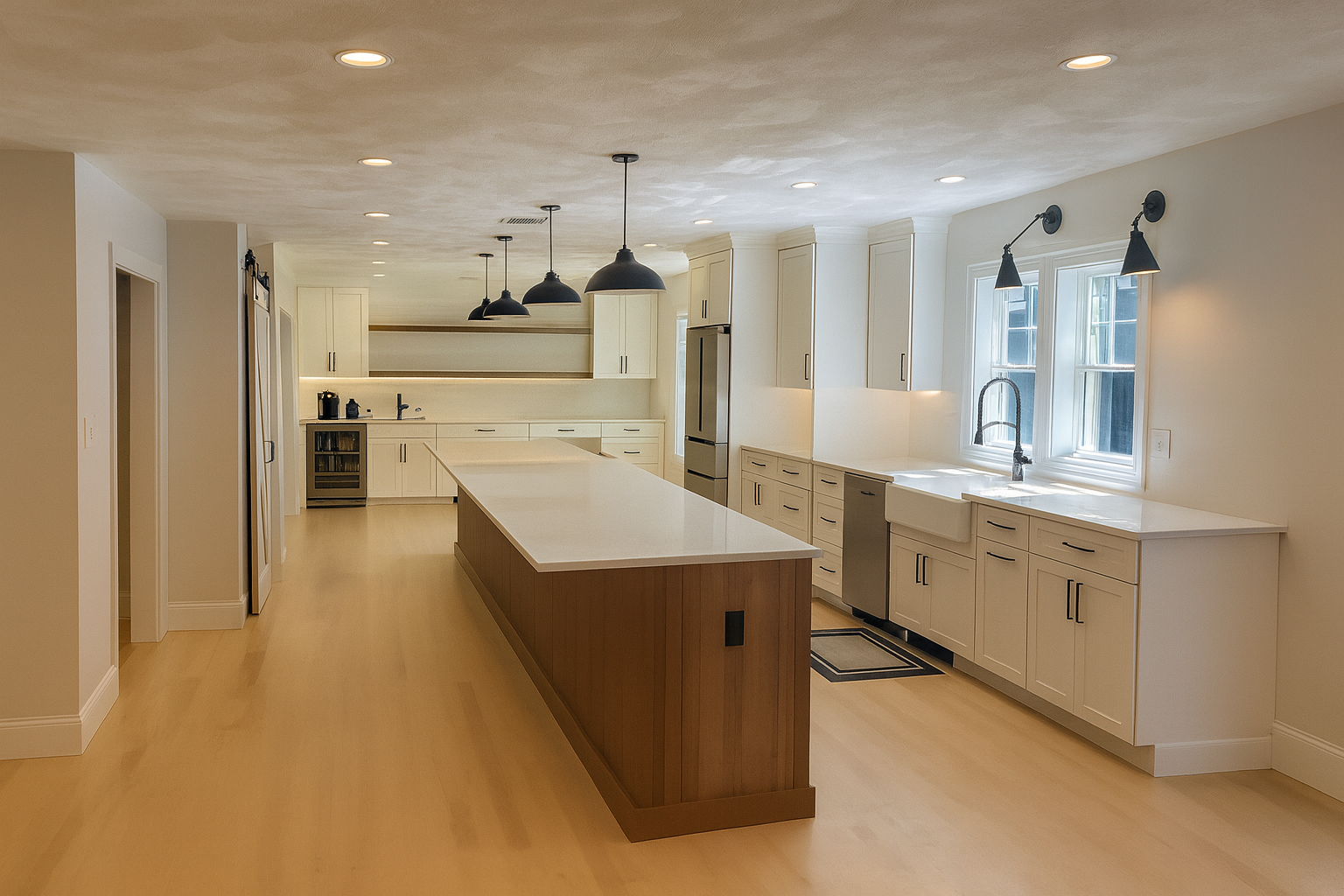
To begin with, adaptable home designs emphasize flexibility and usability. These design principles allow spaces to be easily modified as needs change — without requiring significant renovations. For instance, consider a kitchen. By utilizing adjustable countertops and moveable islands, homeowners can transition the space for different purposes, such as accommodating young children or making cooking accessible for someone using a wheelchair.
Another key aspect of adaptable design is incorporating multi-functional furniture. Investing in pieces like a fold-out dining table or a couch with storage can transform small areas into versatile spaces. These choices not only optimize the use of available space but also contribute to a clutter-free home environment, making it easier for everyone to maneuver.
An essential component of a truly adaptive home is integrating smart technology. From automated lighting systems that adjust based on the time of day to voice-activated assistants that help operate appliances, these innovations ensure ease of use for all family members, regardless of age or ability. Incorporating these technologies can also enhance security, giving peace of mind to homeowners.
When it comes to creating accessible home interiors, the focus shifts towards designs that accommodate all levels of mobility. This can include installing ramps instead of stairs, widening doorways to accommodate wheelchairs, and ensuring floor surfaces are continuous and non-slip. In bathrooms, grab bars and walk-in showers contribute significantly to ease of access and safety.
Moreover, lighting plays a critical role in achieving an accessible design. Proper lighting ensures that all areas of the home are well-lit, reducing the risk of accidents. Natural light should be maximized through large windows and strategically placed mirrors to reflect sunlight. Adding dimmable LED lights can also help create a safer and more pleasant atmosphere.
Storage solutions in accessible homes need special consideration, too. Ensuring that shelves and cabinets are within reach is vital. Pull-down shelves and rotating trays allow for easier access to items, ensuring that every member of the household can use storage spaces independently and effectively.
Incorporating these design elements not only increases a home’s functionality and longevity but also its value. Homes that can adapt to the changing needs of their inhabitants often prove to be more attractive to future buyers.
At D. Duby Construction, our commitment is to create spaces that serve not just present needs but future possibilities. Whether you’re considering a remodel or building a new home, investing in adaptable and accessible design ensures your home remains a place of comfort and utility throughout all stages of life.
In conclusion, designing a home that is both adaptable and accessible ensures that everyone can enjoy their living space fully and independently. By considering these principles, homeowners create not just a house, but a lifelong sanctuary. Reach out to us at D. Duby Construction to learn more about how we can help you design for life, prioritizing both adaptability and accessibility in your home projects.
/filters:no_upscale()/filters:format(webp)/media/6c1fc5f7-4329-41a4-93f6-b95dae699596.jpeg)